Hot Air Balloon Festival in Turkey | What to Know Before You Go


A Clear Guide to the Balloon Festival Experience in Cappadocia
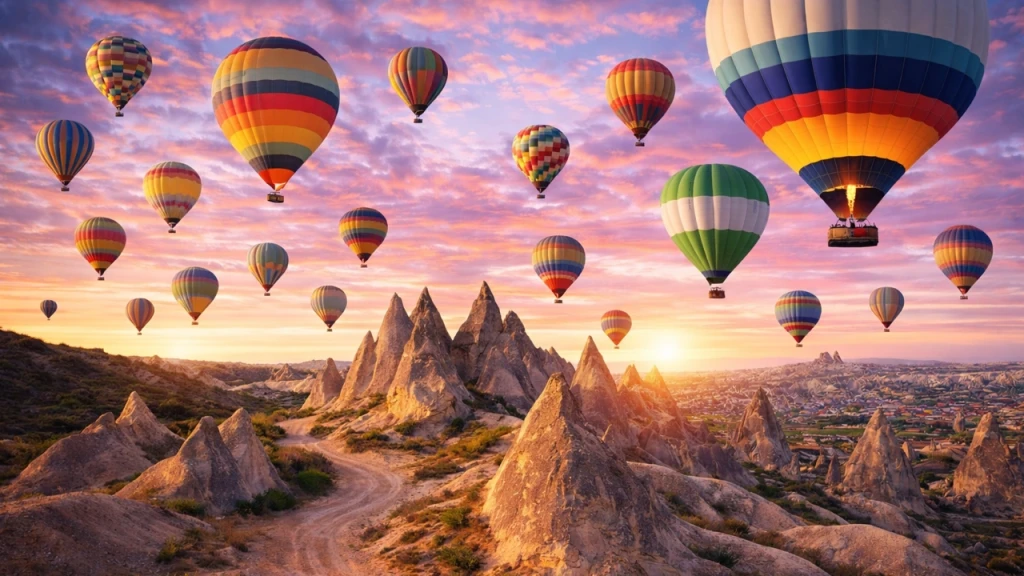
The hot air balloon festival in Turkey is closely associated with Cappadocia, where sunrise balloon flights have become one of the region’s most recognized travel experiences. During the festival period, the atmosphere differs from an ordinary flight day. More visitors arrive before dawn, viewing points become busier, and the sky fills with a larger concentration of balloons within a shorter window of time. For travelers planning a trip around this event, the main question is not only what the festival is, but also how it actually works on the ground.
At its core, the festival is built around early morning flight operations. Balloons are prepared before sunrise, pilots wait for final approvals, and takeoffs begin when weather conditions allow. This means the experience is shaped as much by timing and safety procedures as by scenery. For that reason, anyone planning to attend should see the festival as a weather-dependent aviation event rather than a fixed entertainment program. That perspective helps set realistic expectations and makes trip planning easier.
What Makes Cappadocia the Main Setting for This Event
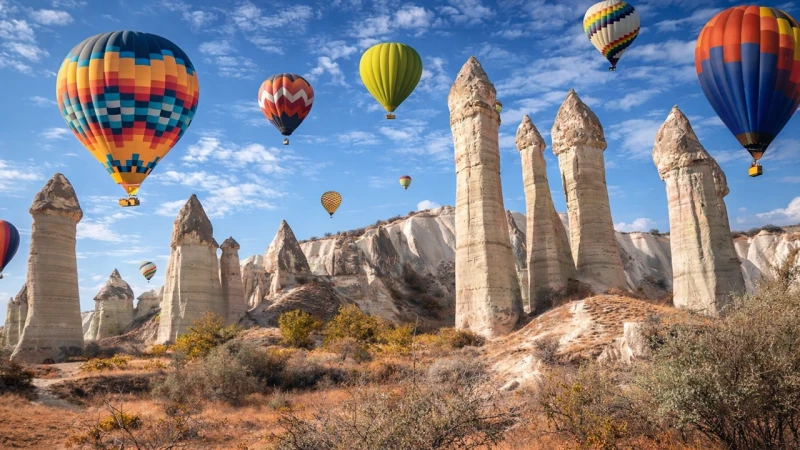
Cappadocia is the natural center of interest because the region combines suitable flight conditions with a landscape that changes dramatically at sunrise. Valleys, fairy chimneys, rock-cut dwellings, and wide open landing areas all contribute to the ballooning environment. The terrain also creates visual depth from above, which is one reason balloon imagery from Cappadocia is so widely used in travel marketing. The region’s long-established ballooning infrastructure adds another practical advantage, since licensed operators, trained crews, and regular sunrise flights are already part of daily tourism activity.
Another important detail is that balloon operations here are not limited to festival days. Cappadocia already hosts regular sunrise tours across different valleys, with options that include breakfast, hotel transfers, and varying flight durations depending on the route and operator. This existing structure is what makes a festival-style concentration of flights possible in the first place. In other words, the festival is not separate from the region’s balloon culture. It is an intensified version of something Cappadocia is already known for.
When the Festival Takes Place and How Long It Lasts
Many travelers search for exact festival dates first, but this is where careful planning matters. Some travel pages describe the event as a three-day festival in August, yet fixed dates should not be treated as universal or permanent without checking the current year’s local announcements. The safer and more accurate way to plan is to understand the seasonal pattern first: the festival is commonly associated with August and is generally presented as a short multi-day event rather than a long-running series.
What matters most for visitors is the daily rhythm. Festival activity starts very early in the morning. Guests are usually collected from their hotels before sunrise, transferred to launch areas, and then wait through balloon preparation and final weather checks. The visible part of the event is concentrated into the early hours of the day. This means travelers do not need to set aside a full day only for the balloon portion, but they do need to be prepared for a very early start and the possibility of weather-related delays or cancellations.
How a Festival Morning Usually Unfolds
A balloon festival morning begins in darkness, not daylight. Crews arrive early to prepare the baskets and envelopes. Inflation starts on the launch field, and this stage alone draws attention because it allows visitors to see how large and coordinated the operation really is. For many travelers, watching the balloons take shape on the ground becomes part of the experience, especially when dozens of crews are working at the same time.
After that, flights do not all depart in a single instant. Takeoffs are normally staggered. This creates a more organized flow in the air and allows safe spacing between balloons. Once airborne, the route is not treated like a fixed bus line in the sky. Balloons move with the wind, and pilots adjust altitude to find the most suitable air currents. That is why each flight can feel slightly different even when two visitors book on the same morning. The general experience remains similar, but the path, angles, and pace can vary with conditions.
What Visitors Can Expect if They Choose to Fly
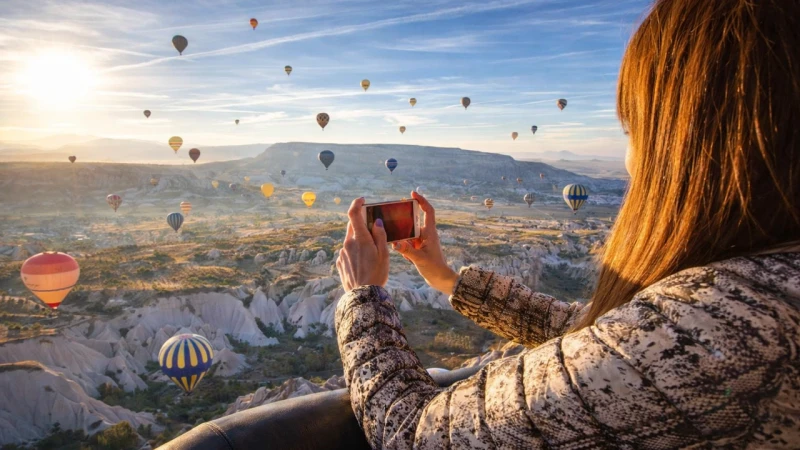
For travelers who join a flight, the experience usually includes hotel pick-up, transfer to the launch site, pre-flight organization, the flight itself, and return transfer after landing. Some operators in Cappadocia also package their tours with breakfast and flexible booking features such as free cancellation or pay-later options, which shows how the region’s balloon market is structured for international tourism.
The flight time itself is often presented as roughly 50 to 75 minutes, though total tour duration is longer because transport and preparation are included. This distinction matters. Many travelers focus only on the in-air time, but the full experience is closer to a half-morning activity. Understanding that difference helps avoid disappointment and makes itinerary planning more realistic, especially for visitors trying to combine a balloon experience with a Red Tour, Green Tour, or valley hike later the same day.
What to Do if You Prefer Watching from the Ground
Not every visitor needs to book a balloon ride to enjoy the festival. Watching from the ground is a practical option, especially for travelers who want the visual atmosphere without the cost or the early booking pressure of a flight reservation. In Cappadocia, the viewing experience can be strong enough on its own because the launch process is highly photogenic and the landscape allows multiple elevated vantage points.
Ground viewing also offers something flight passengers do not get in the same way: the chance to see the full sky composition. From a viewpoint, you can watch the launch field come to life, see the balloons lift in sequence, and follow their distribution across the valleys. This perspective is especially useful for photographers and content creators. The key is timing. Reaching the viewpoint too late means missing the inflation stage, which is often one of the most visually interesting parts of the morning.
Why Booking Strategy Matters More Than Most Visitors Think
One weakness of the competitor content is that it says “book in advance” without truly explaining why. The real reason is not only popularity. It is the combination of limited balloon capacity, narrow flight windows, and weather dependency. Even when demand is high, flights can still be canceled if conditions are not approved. That means staying only one morning in Cappadocia creates unnecessary risk for anyone whose main priority is flying.
A better strategy is to plan at least two or three mornings in the region if the balloon festival is central to the trip. This creates flexibility if weather interrupts the first attempt. It also gives travelers time to separate the flight morning from other activities rather than trying to compress everything into one rushed schedule. For travel planning content, this kind of practical detail is more useful than generic statements about the festival being “magical” or “unforgettable.”
Other Experiences to Combine with the Festival
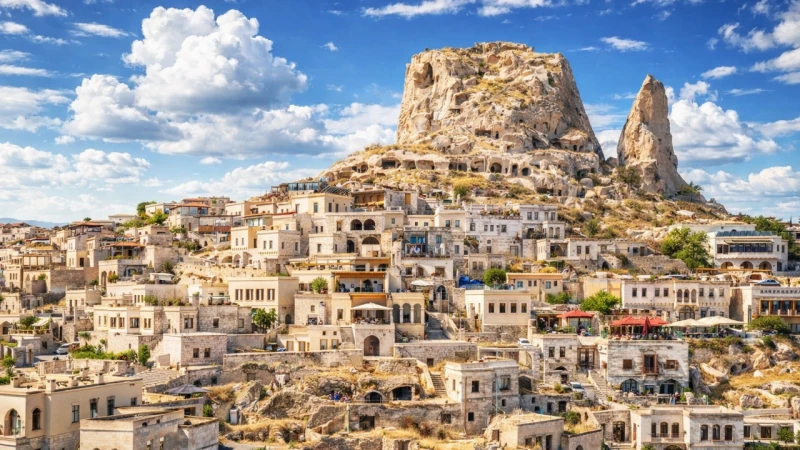
The festival fits well into a broader Cappadocia itinerary because most of the balloon activity ends early. After the morning, visitors can continue with other regional experiences such as valley walks, open-air museums, underground cities, or guided sightseeing tours. This is one reason the balloon festival works well for short but well-planned visits. The event does not consume the entire day, yet it can still become the defining memory of the trip.
It also helps travelers understand Cappadocia from two levels. From above, the focus is scale, shape, and light. On the ground, the same terrain becomes about walking routes, carved stone architecture, village texture, and regional history. A stronger blog article should connect those two viewpoints, because that gives readers a fuller picture of why Cappadocia stands out beyond the balloon imagery alone.
Practical Tips Before You Plan Your Visit
The most useful advice is often the simplest. Dress for cold early hours, even outside winter. Avoid assuming a festival ticket guarantees a flight regardless of weather. Do not build your entire Cappadocia program around one exact morning. If you want to watch from a viewpoint, arrive before sunrise rather than at sunrise. If you want to fly, compare what each operator includes instead of looking only at the headline price.
It is also important to keep expectations realistic. The festival is visually impressive, but it is still an organized tourism and aviation experience with schedules, transfers, approvals, and operational limits. Visitors who understand this usually enjoy the event more, because they arrive prepared for the actual flow of the morning rather than an idealized version shaped only by social media images.
Frequently Asked Questions About the Hot Air Balloon Festival in Turkey
Is the Balloon Festival in Turkey Held in Cappadocia?
Yes. The event is associated with Cappadocia, which is the best-known ballooning region in Turkey and the area most travelers refer to when searching for the hot air balloon festival.
Is the Festival Held on Fixed Dates Every Year?
You should be careful with pages that present the same dates as permanent. The more reliable approach is to check the current year’s local updates and treat August as the general period rather than assuming identical dates every year.
How Long Does a Balloon Ride Usually Last?
Many Cappadocia balloon tours describe the flight itself as lasting around 50 to 75 minutes, while the full experience takes longer because transfers and preparation are included.
Can You Enjoy the Festival Without Booking a Flight?
Yes. Many visitors watch from the ground and still enjoy the launch atmosphere, sunrise light, and panoramic balloon views over the valleys.
Why Do Some Flights Get Canceled?
Balloon operations depend on weather approvals. Wind and other safety conditions determine whether flights can go ahead that morning.
What Else Can You Do in Cappadocia After the Festival Morning?
You can continue with sightseeing, hiking, underground city visits, museum stops, or guided regional tours later in the day.
